
December 19, 2024
New Delhi, India
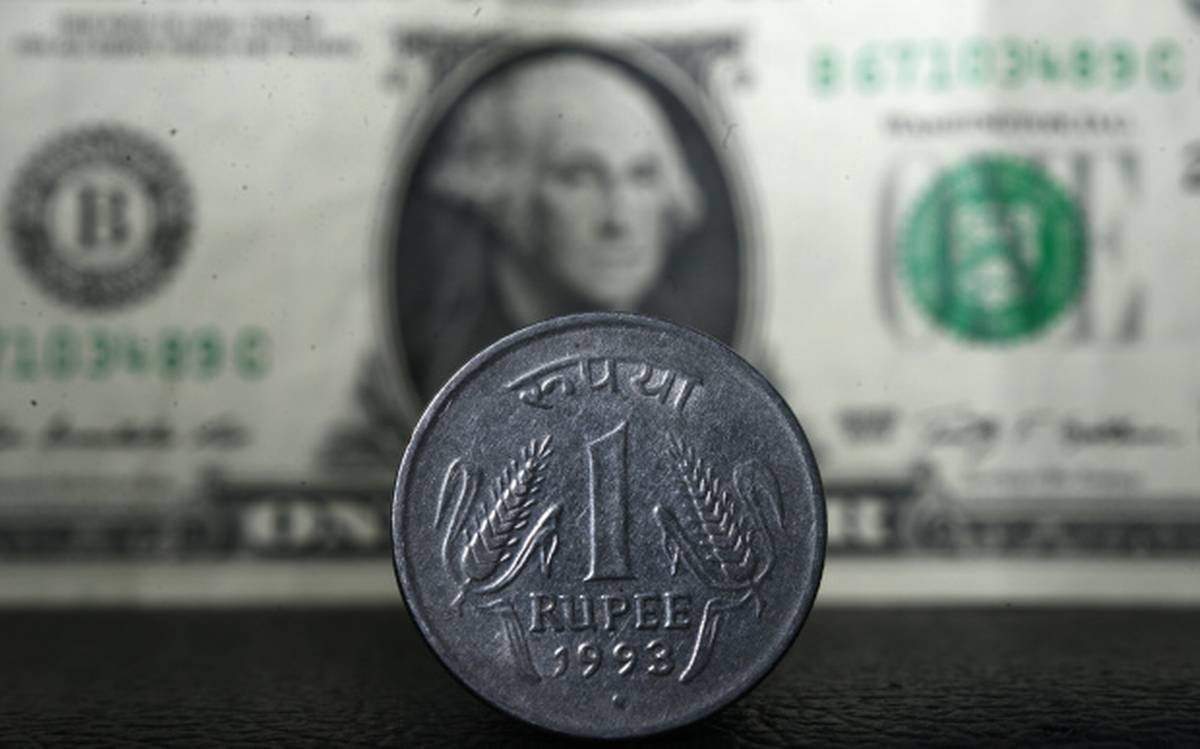
$1 = Rs. 85
Rupee plunged to an all-time low of ₹85 against the US dollar on Thursday, marking a historic breach of the psychological level. The decline follows the U.S. Federal Reserve’s hawkish stance, with a 25 basis points rate cut and a scaled-down projection of rate cuts for 2025.
In early trading, the rupee dropped to 85.0650 per dollar, a swift depreciation from ₹84.9525 on Wednesday. This marks the fastest slide in recent times, with the fall from ₹84 to ₹85 occurring within just two months. Comparatively, it took 14 months for the rupee to slide from ₹83 to ₹84, and 10 months from ₹82 to ₹83.
Global and Domestic Factors Behind the Slide
The rupee’s decline is part of a broader weakness among Asian currencies. The Korean won, Malaysian ringgit, and Indonesian rupiah also fell by 0.8%-1.2%, driven by the Fed’s “dot plot” indicating just two rate cuts in 2025, half of what was anticipated in September.
Federal Reserve Chair Jerome Powell’s cautious commentary further dampened market sentiment. Powell highlighted a need for more inflation progress before additional rate cuts, saying, “From here, it’s a new phase, and we’re going to be cautious about further cuts.”
On the domestic front, India’s economic growth slowdown, widening trade deficits, and subdued capital inflows have compounded the rupee’s struggles. Persistent demand for the dollar from importers and foreign banks, coupled with strong U.S. economic policies, has bolstered the greenback’s strength, intensifying pressure on the rupee.
Market Implications
The rupee’s record low spurred a sell-off in equity markets, with the Nifty 50 and BSE Sensex opening lower, mirroring Wall Street’s overnight decline. Losses were prominent in banking, financial services, and tech stocks.
The Reserve Bank of India (RBI) is likely to intervene to prevent excessive volatility, but analysts caution against expecting muted currency movements in 2025. “In the short term, upward pressure on USD/INR will remain,” said Akshay Kumar, Head of Global Markets at BNP Paribas India.
Looking Ahead
The rupee’s depreciation reflects a challenging economic environment marked by global and domestic headwinds. Market participants now await key economic data, including U.S. jobless claims and India’s GDP figures, which could influence future currency trends.
Despite short-term volatility, the rupee’s trajectory will largely depend on the Reserve Bank of India’s actions and evolving global economic dynamics.
Also Read: ITC Finalizes Record Date for Hotel Business Demerger
Disclaimer:
CurrencyVeda provides this news article for informational purposes only. We do not offer investment advice or recommendations. Before making any investment decisions, please conduct thorough research, consult with financial experts, and carefully consider your financial situation, risk tolerance, and investment goals. Investing in the stock market carries risks, and it’s essential to make informed choices based on your individual circumstances. CurrencyVeda is not liable for any actions taken based on the information provided in this article.