
April 22, 2023
New Delhi, India
Daily Currency Market Analysis
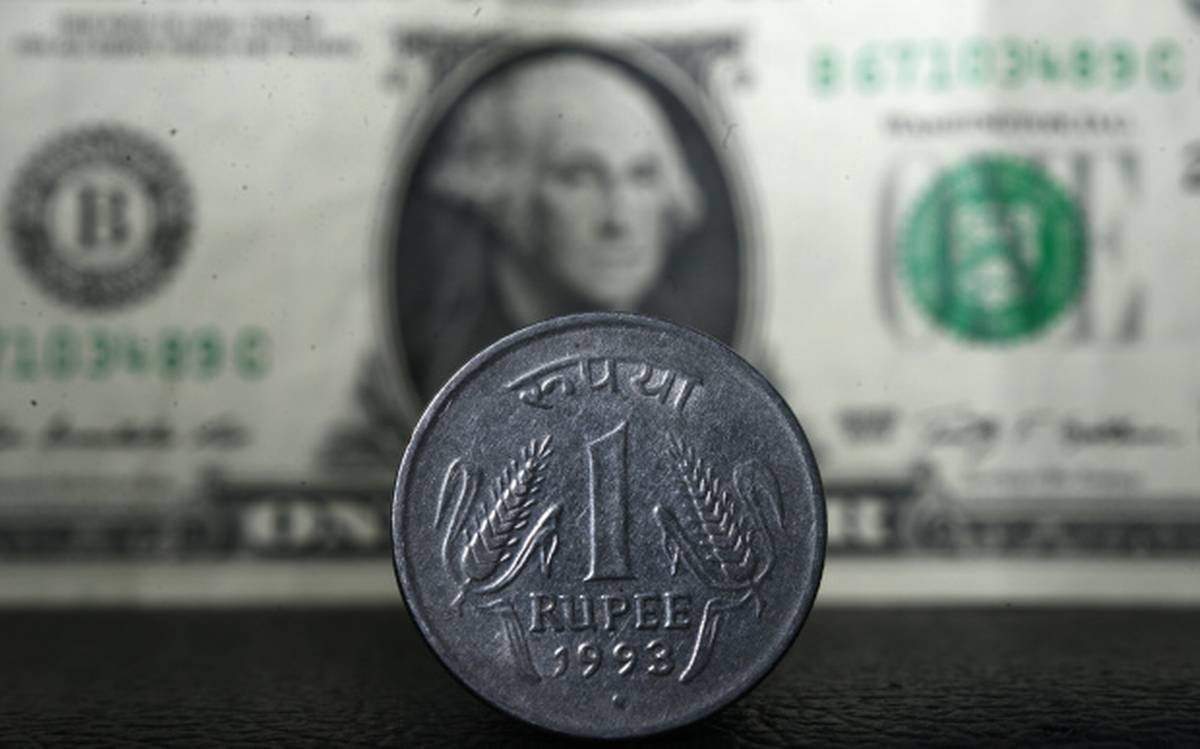
USD/INR:
Levels: The last closing price of USDINR was 83.4450 down by -0.05%. The day’s range for USDINR was 83.45-83.63.
Analysis: The Indian Rupee (INR) remained stable within a range possibly due to potential intervention from the Reserve Bank of India (RBI). However, the US Dollar (USD) received support from growing expectations that the Federal Reserve would delay rate cuts. Projections by the United Nations Conference on Trade and Development (UNCTAD) indicating a deceleration in India’s economic growth to 6.5% in 2024, compared to 6.7% in the previous year, may have influenced market sentiment.
EUR/INR:
Levels: The last closing price of EURINR was 89.0175 up by 0.11%. The day’s range for EURINR is a high of ₹89.02 and a low of 88.92.
Analysis: The Euro (EUR) strengthened against the Indian Rupee (INR) fueled by renewed selling pressure on the US Dollar and a risk-friendly environment. European Central Bank (ECB) President Lagarde’s confirmation of impending rate cuts further supported the Euro. Despite consumer price inflation in the Euro Area confirming at 2.4% year-on-year in March 2024, the Euro’s gains persisted.
GBP/INR:
Levels: The last closing price of GBPINR was 103.26. The day’s range for GBPINR was a high of ₹103.20 and a low of ₹103.13.
Analysis: The British Pound (GBP) recovered against the Indian Rupee (INR) driven by stronger-than-expected inflation data from the UK. Factory gate prices of goods produced by UK manufacturers rose, contributing to the Pound’s upward movement. However, the latest Consumer Price Index (CPI) report revealing a decrease in the UK’s inflation rate to 3.2% in March, the lowest since September 2021, may have tempered the Pound’s gains.
JPY/INR:
Levels: The last traded price of JPYINR was 53.9600 down by -0.19%. The day’s range for JPYINR was a high of ₹54.02 and a low of ₹53.94
Analysis: The Japanese Yen (JPY) stabilized against the Indian Rupee (INR) amidst a widening divergence in monetary policy between the Federal Reserve and the Bank of Japan (BOJ). Japan’s trade balance shifting to a surplus in March 2024 and the expectation of slower adjustments in policy interest rates in Japan compared to other major central banks influenced the Yen’s stability.
Also Read: Ola Cabs Plans $500 Million IPO, Targets $5 Billion Valuation
Disclaimer:
CurrencyVeda provides this news article for informational purposes only. We do not offer investment advice or recommendations. Before making any investment decisions, please conduct thorough research, consult with financial experts, and carefully consider your financial situation, risk tolerance, and investment goals. Investing in the stock market carries risks, and it’s essential to make informed choices based on your individual circumstances. CurrencyVeda is not liable for any actions taken based on the information provided in this article.